CDIL Graduate Student Fellowship
Submit an Application
Checking application status...
Fellowship Details
- Award Amount:
- $4000
- Eligibility:
- Graduate Students currently enrolled in a University of Idaho program
- Duration:
- Late Spring - Summer (10 Weeks)
- Application Period:
- January 15 – March 15
Questions?
Contact the Center for Digital Inquiry and Learning (CDIL) at cdil@uidaho.edu
Description
The CDIL Graduate Student Summer Fellowship Program provides a stipend for a student currently enrolled in a university graduate program to work on the development of CDIL-related digital projects, be they projects related to CDIL-connected faculty or that of the graduate student's own creation.
Call for Applications
The Center for Digital Inquiry and Learning invites graduate students from any discipline at the University of Idaho to apply for a CDIL Graduate Fellowship to work with CDIL staff on a project of their design/choosing and/or on ongoing projects in the CDIL.
This fellowship offers $4,000 to support graduate students during a 10-week summer program to work directly with CDIL staff to build their own expertise and skills in digital scholarship via the creation, revision, or promotion of new or extant digital projects. This is a flexible program guided by the interests and unique research of each fellow. Note that most fellows continue to work with CDIL staff over the course of the following year as well.
In the program, fellows can envision and build digital scholarship projects, pursue open publishing, and/or investigate digital humanities approaches, theories, and research. Experiences may include:
- Digital Project Development - Learn to conceptualize and plan digital scholarship projects
- Data Visualization and Digital Storytelling - Develop skills in creating compelling visual representations of research data
- Web Development - Gain experience with modern web technologies for academic publishing
- Digital Archives and Collections - Understand best practices for digital curation and preservation
- Collaborative Digital Scholarship - Learn to work effectively in interdisciplinary digital teams
- Open Publishing and OER - Explore platforms, tools, and approaches to impact scholarship and learning
Expectations
Fellows will be expected to work and meet at the CDIL and virtually while developing the project over the summer months (mid-May to mid-August). During the fall semester, the fellow will present their work in the CDIL, either as a traditional presentation, a workshop, or via a U of I Library online publication. The stipend is awarded in two intervals, with the majority provided up front and the rest after presentation of the project in the following semester.
About CDIL
The Center for Digital Inquiry and Learning (CDIL) supports innovative digital scholarship and open publishing across the University of Idaho campus. CDIL collaborates with faculty, students, and staff to develop digital projects that advance research, teaching, learning, and publishing.
How to Apply
To apply for the CDIL Graduate Student Fellowship, please fill out our application form, which will be available on this page from January 15 to March 15 each year. Using the form applicants provide a statement of interest and/or project description, as well as background information (150 words).
Graduate students are encouraged to discuss their project ideas with CDIL staff and potential faculty mentors before submitting an application. Email us at cdil@uidaho.edu.
Application Criteria
Applications will be reviewed by a committee of staff and faculty connected to the CDIL. Finalists may be asked to interview and/or to provide additional references. Applications are evaluated based on:
- Innovation and feasibility of the proposed digital project
- Student’s preparation and relevant experience
- Clear project timeline and deliverables for the 10-week period
- Potential impact and contribution to digital scholarship
- Alignment with CDIL’s mission and capabilities
- Quality of faculty mentorship and support
Past Projects
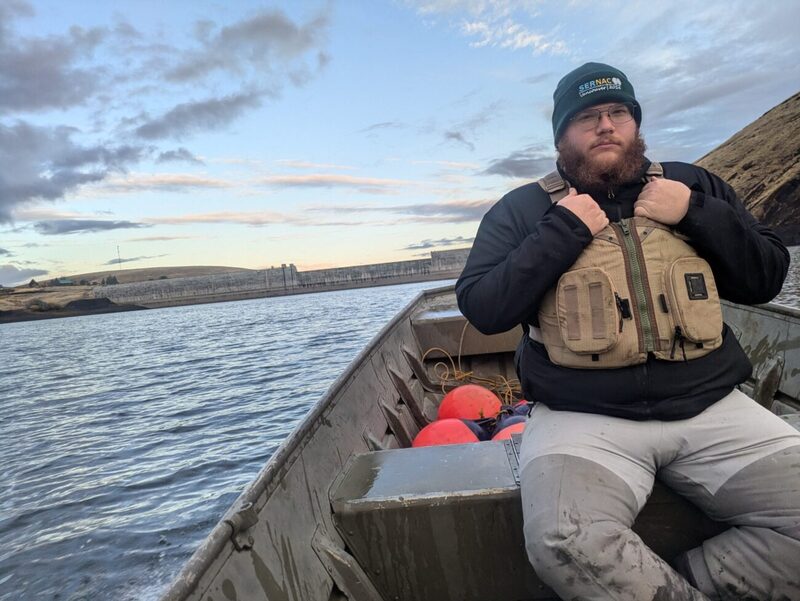
Landscape Change on the Lewis and Clark Trail
Garret Homer
2026 • Forest, Rangeland, and Fire Sciences
This project traces the ecological and cultural transformation of five sites along the Lewis and Clark Trail—Great Falls, the Headwaters of the Mis...
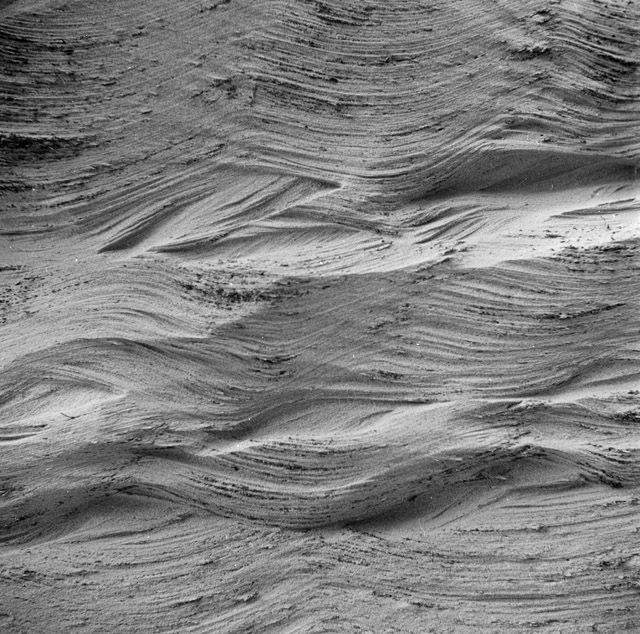
Sedimentation
Hannah Green
2025 • English
Sedimentation is a multimodal project which seeks to recognize, represent, and story the central role silt plays within the Colorado River ecosyste...
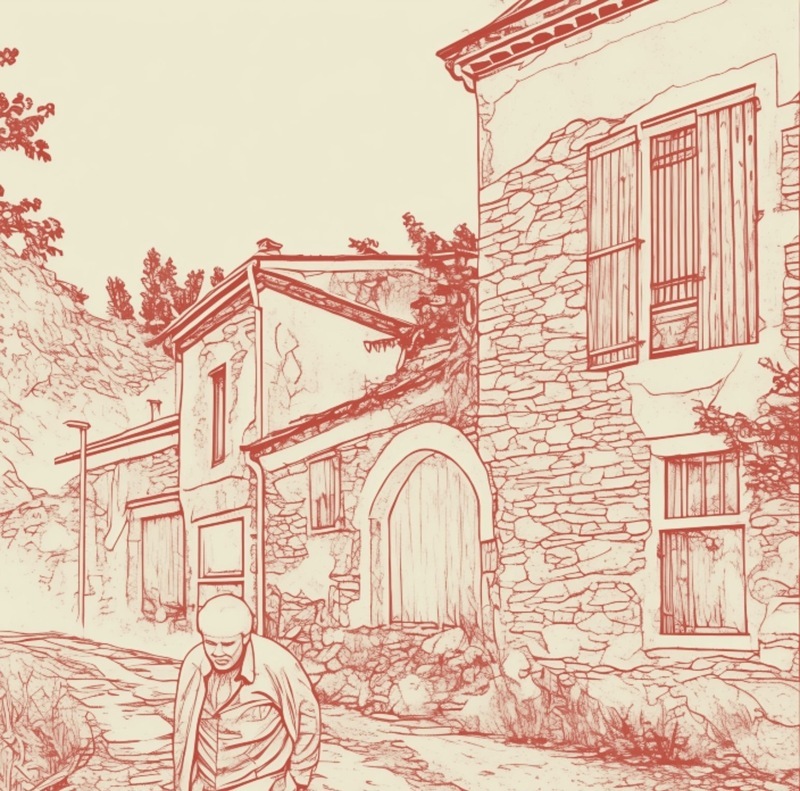
Tender Spaces
Alicia Gladman
2024 • English
A multi-lingual, multimodal essay on Gaëtane Buttigieg's life, art, and forced institutionalization in the 1970s.
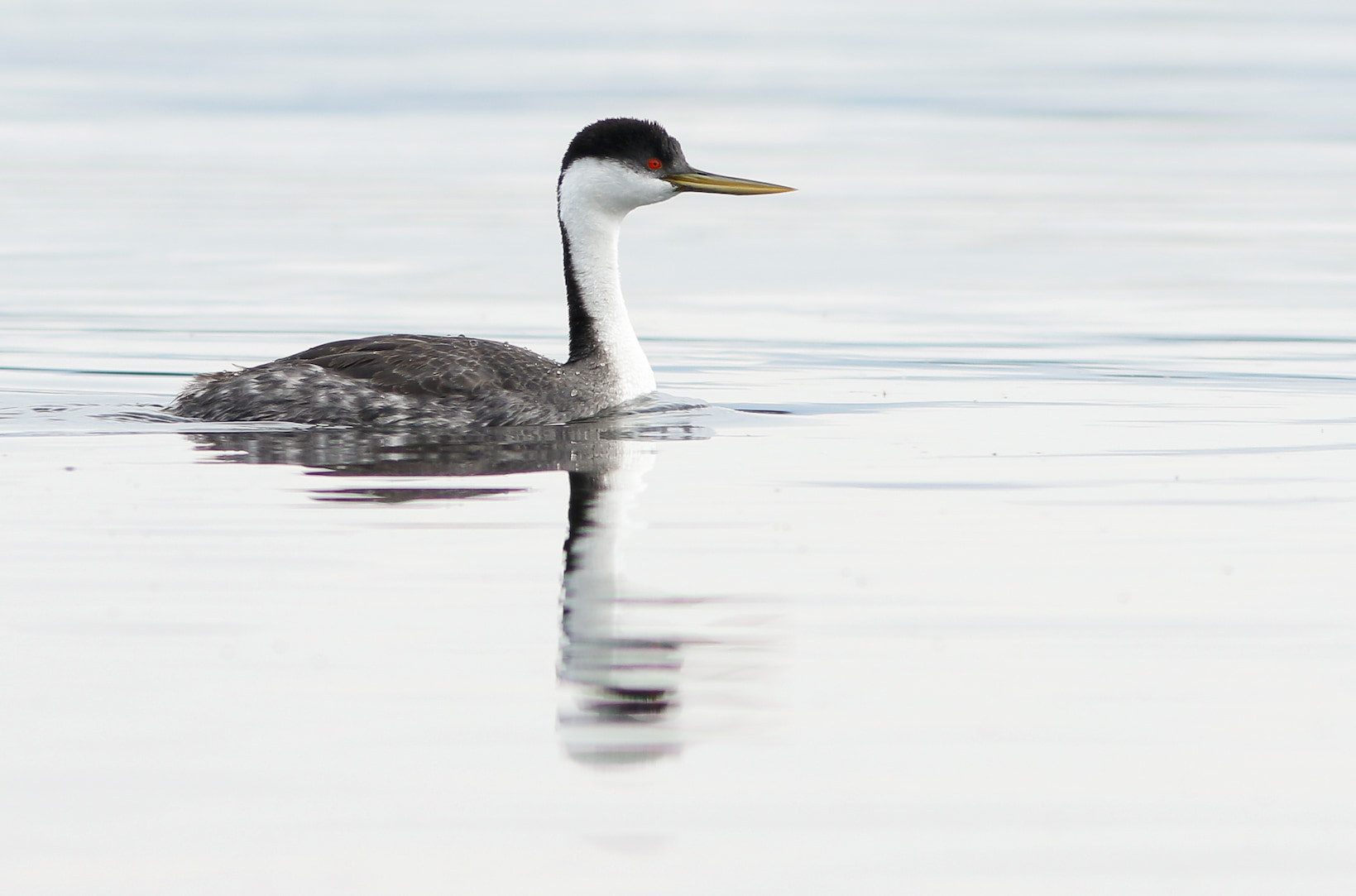
Western and Clark's Grebe Breeding Lakes of North America
Anne Yen
2023 • Fish and Wildlife Sciences
A summary of Western and Clark’s Grebe breeding data at state, provincial, and regional scales in North America
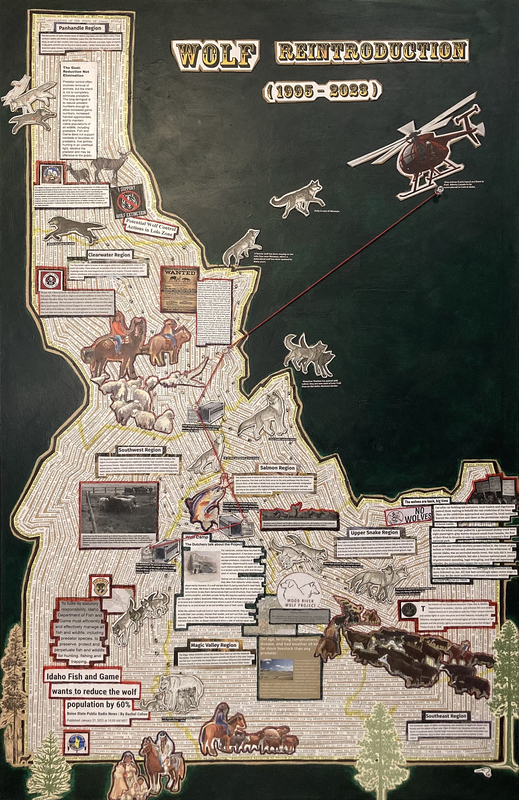
Wolf Reintroduction
Floriana Tulli
2023 • English
A multimodal essay exploring various dimensions surrounding the wolf controversy: a coalescence of regional viewpoints and events stemming from the...
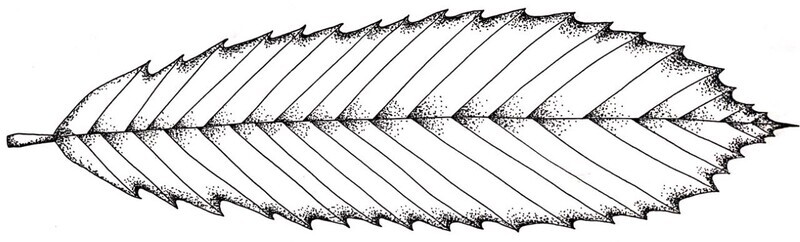
The Chestnut Collective
Nick Koenig
2023 • Earth and Spatial Sciences
A sociocultural and sociopolitical research project tracking the blight and subsequent loss of the American Chestnut on Appalachian families and co...
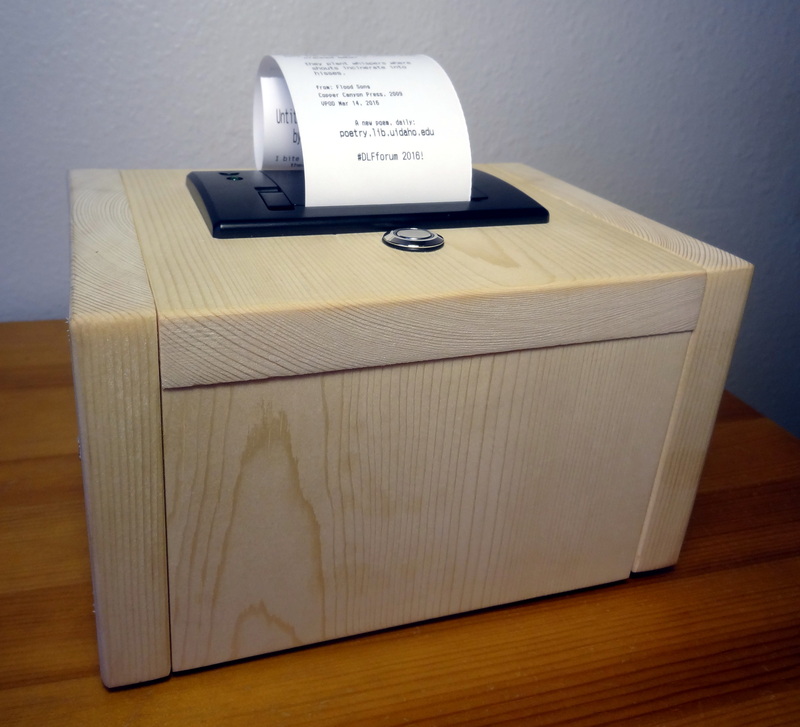
Vandal Poem of the Day
Cady Favazzo
2021 • English
Favazzo helped garner two additional presses' participation in the Vandal Poem of the Day project, Alice James Books and Four Way Books.
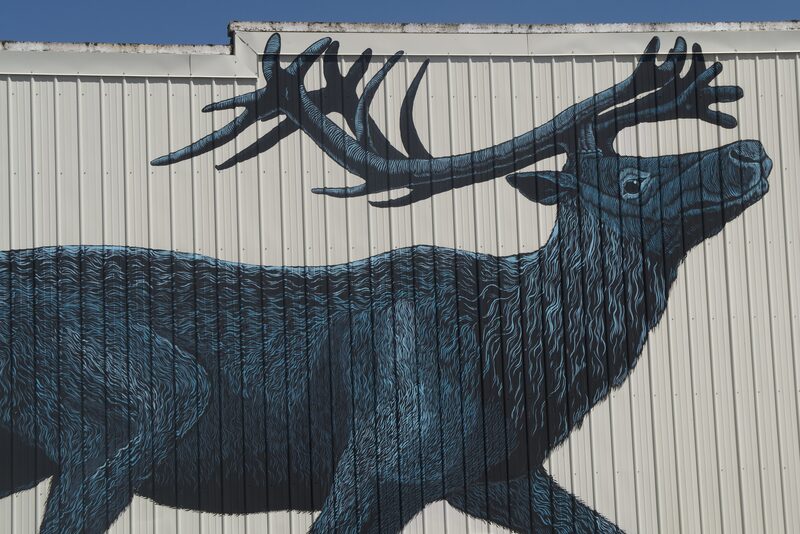
Storying Extinction
Chris Lamb & Jack Kredell
2020 • English
Multidisciplinary, "deep map" essaying of the extirpation of North Idaho's Caribou population
Potlatch Historical Society Collection
Kit Stokes
2019 • English
Assisted with the improvement of the Potlatch Historical Society Collection
Palouse Digital Scholarship Symposium
Ricky Baldridge
2019 • English
In past years CDIL has co-hosted a week-long Palouse Digital Scholarship Symposium with Washington State University's Center for Digital Scholarshi...
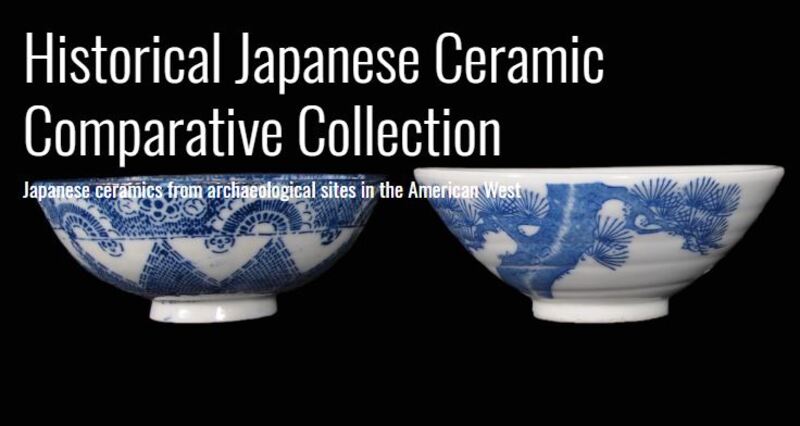
Historical Japanese Comparative Ceramics Collection (HJCCC)
Renae Campbell
2018 • Culture, Society and Justice
Digital collection that identifies and describes Japanese ceramics manufactured during the Meiji and Taisho eras
CTRL+Shift
Lauren Westerfield & Corey Oglesby
2017 • English
Data-driven exploration of oral history interviews with 11 prominent contemporary American poets